by Amit Shekhar · 21 August 2026
What is Graph Engineering?
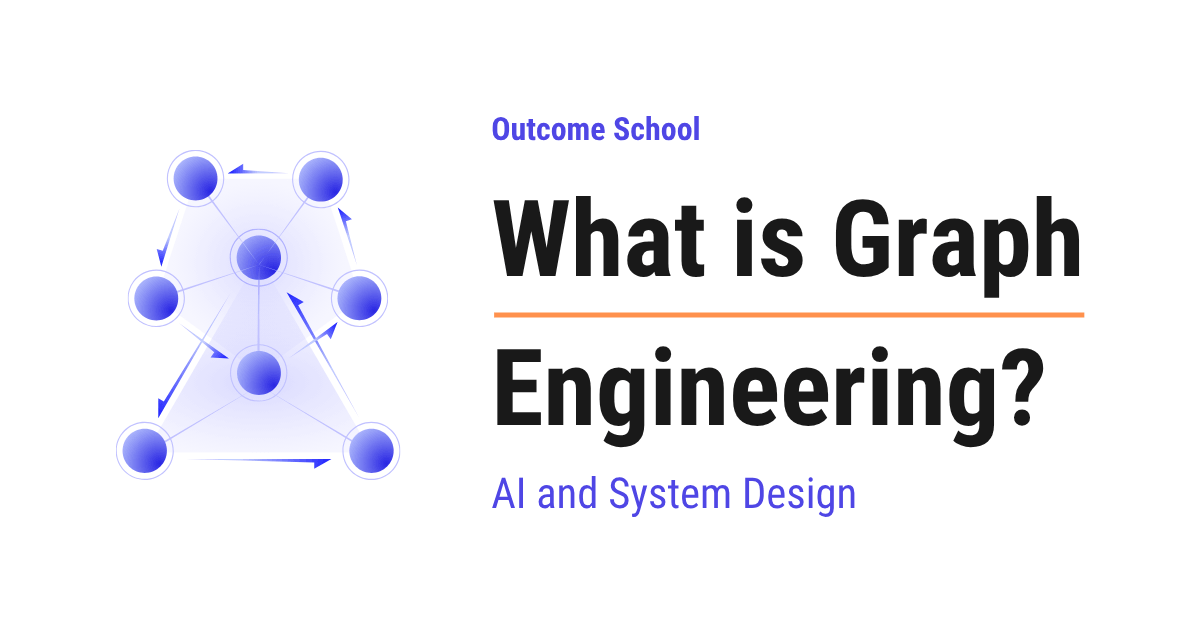
Graph Engineering, the practice of building an AI system as a graph of small steps connected by clear paths instead of one giant prompt or one endless loop. We will also see why we need it, what nodes and edges actually mean, how the state travels through the graph, how conditional edges take decisions, how cycles let the system do the work again, how parallel branches save time, how checkpoints let us pause and resume, and where it works well and where it fails.
Before you read, guessWhat happens to the AI system's nature when we perform this action?
Ten seconds, a guess, then read — a wrong guess still makes the answer stick.
What this article covers
- What is Graph Engineering?
- Graph = Nodes + Edges
- Why do we need Graph Engineering?
- The three building blocks: Node, Edge, and State
- Let's build our first graph
- Conditional edges: taking decisions inside the graph
- Cycles: doing the work again when needed
- One full run, step by step
- Parallel branches: doing many things at the same time
- Checkpoints: pause and resume the graph
- Human in the loop
- Handling errors inside a graph
- Graph Engineering vs Loop Engineering
- Where Graph Engineering works well
- Where Graph Engineering fails
- Best practices in Graph Engineering
The article lives on outcomeschool.com. Read it there, then come back: the tutor in the margin has read it and will answer questions, and the questions below check what stayed.